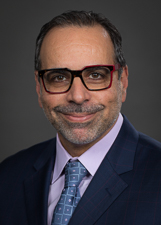
Dr. Patsalides received his Medical Degree from the University of Athens, Greece, and a Master of Public Health degree from Johns Hopkins University. After completing his medical studies, he received a scholarship from the John E. Fogarty International Center for Advanced Study in the Health Sciences and moved to the United States to conduct research at the National Institutes of Health. After working at NIH, he completed his training at Georgetown University in Washington, D.C., and Weill Cornell Medical College in New York City. He is the recipient of multiple national awards from the Radiological Society of North America, the American Society of Neuroradiology, and the Society of Neurointerventional Surgery.
Dr. Patsalides is a diplomate of the American Board of Radiology and a senior member of the Society of Neurointerventional Surgery and the American Society of Neuroradiology. He is also a member of national committees of the Society of Neurointerventional Surgery and the American College of Radiology.
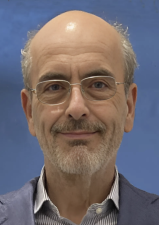
Dr. Roberto De Simone is a senior Neurologist, highly experienced in headache diagnosis and treatment and in disorders of CSF circulation and intracranial hypertension and hypotension. His main research topics are primary and secondary headaches; physiopathology of brain perfusion; physiopathology of CSF pressure homeostasis. Dr. De Simone is also the Headache Center Director for the Department of Neuroscience and Reproductive and Odontostomatological Sciences at the University of Naples in Naples, Italy.
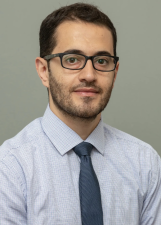
Dr. Mohamad Abdalkader is a board-certified Diagnostic and Interventional Neuroradiologist at Boston Medical Center and an Associate Professor of Radiology at the Chobanian and Avedisian School of Medicine. He earned his medical degree from the Lebanese University – Faculty of Medical Sciences in Beirut, Lebanon, in 2011. He completed his radiology residency at the Lebanese University and the Université Catholique de Louvain in Belgium, with focused training in interventional and neurointerventional radiology. He then completed ACGME-accredited fellowships in Diagnostic Neuroradiology and Interventional Neuroradiology at Boston Medical Center before joining BMC as an attending physician in 2018. Dr. Abdalkader has authored over 250 peer-reviewed publications and has served as an investigator on numerous research projects involving acute stroke management, cerebral aneurysms, intracranial vascular malformations, pulsatile tinnitus, and traumatic vascular injuries.
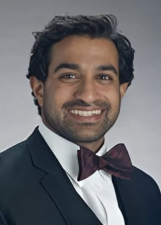
Dr. Michael Abraham is certified by the American Board of Psychiatry and Neurology and the United Council of Neurologic Subspecialties with a subcertification in neurocritical care. He completed a fellowship in interventional neurology at the Medical College of Wisconsin. He earned his medical degree from the University of Missouri at Kansas City and completed his residency at the University of Kansas Medical Center. Dr. Abraham strives to treat his patients and their families as he would his own family. His areas of expertise include stroke, cerebral aneurysm, idiopathic intracranial hypertension, carotid stenosis and cerebral AVM/dural AVF.
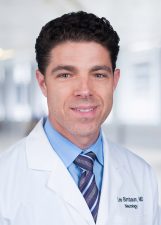
Professor Lee Birnbaum, MD, MS, is a board-certified neurologist in the Departments of Neurology and Neurosurgery at UTHSA. He is also board certified in the subspecialty of Vascular Neurology. As part of this training, he graduated from the Columbia University School of Public Health with a master’s degree in neuro-epidemiology. Additionally, Dr. Birnbaum completed a two-year CNS Endovascular Neurosurgery fellowship. Dr. Birnbaum is currently the UTHSA Stroke Program Director, holder of the Ross J. Sibert Research Fund Distinguished Chair, and fellowship director for both Vascular Neurology and CNS Endovascular Neurosurgery. He is an active member of SNIS, SVIN, and the American Heart/Stroke Association.
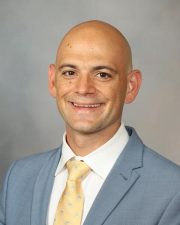
Waleed Brinjikji, M.D is the Medical director for Mayo Clinic Research Innovation and the Assistant medical director focused on strategic research priorities, Department of Business Development for the Mayo clinic. He performs research focused on improving the treatment of ischemic stroke and brain aneurysms using minimally invasive techniques. For patients with ischemic stroke, Dr. Brinjikji’s research is focused on identifying the causes of the blockages in the patient’s blood vessel and identifying and improving the devices that are used to remove these blockages. For patients with brain aneurysms, Dr. Brinjikji’s research is focused on the development of new technologies that can improve the safety and efficacy of minimally invasive aneurysm treatment techniques.
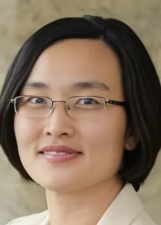
Dr. Yoon-Hee Cha is a Board certified Neurologist with subspecialty training in Neurotology. She is an Associate Professor in the Department of Neurology at the University of Minnesota. She received her undergraduate degree from Stanford University, medical degree from Mayo Medical School, internship training at Brigham and Women’s Hospital, neurology training at the University of California San Francisco, and neurotology fellowship training at the University of California Los Angeles. Her past work includes functional neuroimaging and non-invasive brain stimulation to study the central manifestations of disorders such as mal de debarquement syndrome and other causes of persistent oscillating vertigo. She has performed research using fMRI, PET, EEG, transcranial magnetic stimulation, and transcranial electrical current stimulation. Her current work focuses on extracranial venous compression as the pathology behind vestibular syndromes including vestibular migraine, cervicogenic dizziness, mal de debarquement syndrome, and those that fall in between diagnostic categories. These disorders typically follow periods of inflammation, trauma, musculoskeletal degeneration, or postural strain with venous compression being a unifying pathology for many pain related vestibular syndromes. She focuses on non-invasive methods to treat extracranial venous outflow obstruction such as physical therapy, upper cervical spine alignment, and neurotoxin injections for muscular entrapment of upper body veins as therapeutic options before surgery or stents.
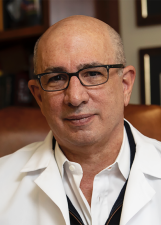
Dr. Peter Costantino is a nationally and internationally recognized Craniofacial and Cranial Base Tumor Surgeon practicing in New York City. He specializes in both endoscopic (minimally invasive) and open cranial base surgery. He is one of the few surgeons in the country who routinely operates anywhere within the cranial base (posterior fossa, temporal bone, infratemporal fossa, endonasal, trans-orbital, and anterior cranial base). In addition to cranial base surgery, he also specializes in adult craniofacial reconstruction and has performed over 500 cranioplasties primarily using implants that he designed. He has also developed minimally invasive techniques for the endoscopic removal of recurrent nasopharyngeal cancer and has participated in one of the largest chordoma resection series in the world. Dr. Costantino has been selected by Castle-Connolly as one of the nation’s top doctors within his specialty (Otolaryngology and Oncology) and in the field of Oncology every year for nearly 20 years.
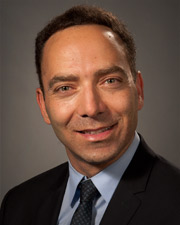
Amir Dehdashti, MD, FACS, is a renowned neurosurgeon, and one of the few dual-trained cerebrovascular and skull base surgeons in America. He serves as the director of cerebrovascular neurosurgery research at North Shore University Hospital, and Professor of Neurosurgery at the Zucker School of Medicine at Hofstra/Northwell.Dr. Dehdashti’s areas of expertise include cerebrovascular surgery for brain aneurysms and arteriovenous malformations, brainstem cavernous malformations, carotid artery disease, and bypass surgery for moyamoya disease and brain aneurysms. He specializes in skull base surgery for acoustic neuromas and meningiomas, minimally invasive endoscopic skull base surgery for pituitary and other skull base tumors, cranial nerve surgery for trigeminal neuralgia and hemifacial spasm, and craniovertebral junction surgery including Chiari. He has developed minimally invasive approaches to many complex cerebrovascular and cranial base diseases, and is one of a few neurosurgeons in the country with internationally recognized expertise in bypass surgery. With 14 years in practice as a board-certified neurosurgeon, Dr. Dehdashti understands the intricacies and delicate nature of brain surgery, and approaches each unique case with meticulous attention to detail. He is dedicated to providing the latest, most effective surgical options that offer the best possible outcomes, which is why patients both nationally and internationally are often referred to him.
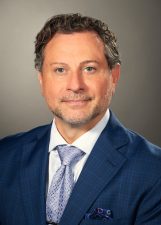
Felix DeRusso, MSOL (HCA), BSRS, RT(T), ARRT is a Neuro and Vascular Interventional Technologist with over 30 years of experience in the field of interventional radiology. His passion lies in patient-centered care and team collaboration. Throughout his career, He has managed interventional departments at New York-Presbyterian/Weill Cornell Medical Center and is now proud to be part of Northwell Health at North Shore University Hospital. Felix enjoys working in fast-paced environments where attention to detail and clear communication are essential. He is dedicated to supporting my colleagues, continuously improving processes, and helping drive positive outcomes for patients. His goal is to contribute to a collaborative, innovative, and high- quality healthcare environment.
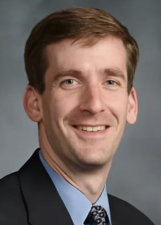
Dr. Dinkin is an Associate Professor of Ophthalmology at Weill Cornell Medicine and a member of the Weill Cornell Ophthalmology Department who specializes in Neuro-Ophthalmology. He specializes in treating patients with vision problems originating from the nervous system, such as optic neuritis, ischemic optic neuropathy, optic disc edema, brain tumors, stroke, idiopathic intracranial hypertension (pseudotumor cerebri) and double vision as may occur with cranial nerve palsies, thyroid eye disease, ocular myasthenia gravis. He also sees patients with disorders of the lids including ptosis (droopy lid) and blepharospasm, disorders of the pupils, visual hallucinations and unexplained visual loss. Dr. Dinkin has been awarded numerous awards for teaching and clinical care as well as the Rabkin Fellowship in Medical Education at Harvard Medical School.
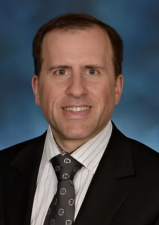
David J. Eisenman MD is a Professor of Otolaryngology- Head & Neck Surgery and Neurosurgery at the University of Maryland School of Medicine, where he also serves as Vice-Chairman pf the Department of OTO-HNS and Director of the Division of Otology, Neurotology and Skull Base Surgery. Dr. Eisenman is widely recognized for his approach to diagnosing and treating pulsatile tinnitus, and for raising awareness about surgical treatment options for sigmoid sinus diverticulum and dehiscence, which are common causes of this condition.
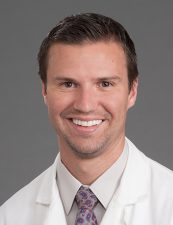
Dr. Kyle M. Fargen is a neurosurgeon in Winston Salem, North Carolina and is affiliated with Atrium Health Wake Forest Baptist Medical Center. He received his medical degree from Tulane University School of Medicine and has been in practice between 11-20 years.
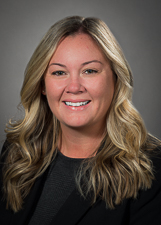
Kelly Hannsgen is a family nurse practitioner based in New York, NY, and Manhasset, NY. She is affiliated with North Shore University Hospital, New York-Presbyterian Hospital, and St. Catherine of Siena Hospital. Hannsgen completed her NP Master’s degree at Pace University in 2014. She accepts various insurance plans and offers telehealth appointments. She is associated with Northwell Health. Hannsgen is well-regarded by patients, with one review noting her helpfulness, informative nature, and professionalism
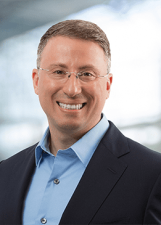
Board-certified in both diagnostic radiology and neuroradiology, Ian Kaminsky, MD, MS, is one of the leading neurointerventional surgeons practicing at RIA Neurovascular, in Englewood, Colorado. He offers state-of-the-art procedures to address a wide range of health conditions ranging from ischemic stroke to cerebral aneurysms.
Dr. Kaminsky earned his Doctor of Medicine and Master of Science with honors at the American University of the Caribbean School of Medicine, in St. Maarten, Netherland Antilles. He served his internship and his radiology residency at William Beaumont Hospital in Royal Oak, Michigan.
Dr. Kaminsky went on to complete rigorous fellowship training in diagnostic neuroradiology at Weill Cornell Medical Center, New York-Presbyterian Hospital and Memorial Sloan Kettering Cancer Center, in New York. He participated in an additional prestigious fellowship program in endovascular surgical neuroradiology at Johns Hopkins Hospital in Baltimore. After fellowship Dr. Kaminsky spent 3 years working closely with Dr. In Sup Choi at Lahey Hospital and Medical Center as an Interventional Neuroradiologist and held the title of Assistant Professor at Tufts University School of Medicine.
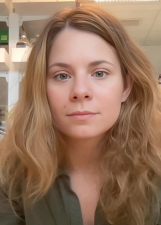
Dr. Stéphanie Lenck, MD, PhD is an interventional neuroradiologist at the University Hospitals Pitié-Salpêtrière and a scientist at the Paris Brain Institute, where she divides her time equally between clinical practice and research. She received her medical training at Hôpital Lariboisière in Paris and completed a clinical fellowship at Toronto Western Hospital (Canada). She holds a PhD in biology from Sorbonne University. Her research focuses on idiopathic intracranial hypertension, cerebral venous physiology, and the interactions between brain vasculature and cerebrospinal fluid dynamics. Clinically, her work is dedicated to the diagnosis and interventional treatment of cerebral venous disorders.
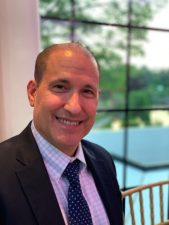
Dr. Libman earned a bachelor of science degree and a medical degree from the McGill University school of medicine, Montréal, Canada. He completed a residency in neurology at the Albert Einstein College of medicine and a fellowship in stroke at Columbia Presbyterian Medical Center/New York Neurological Institute.
Dr. Libman is a vice chairman of neurology. He joined the health system in 1993 as a stroke neurologist at LIJ. Under Dr. Libman’s leadership, LIJ became one of the leading centers in the country for clinical trials testing innovative treatments for stroke, including participating in the landmark National Institutes of Health study on the clot busting drug TPA, which revolutionized the treatment of acute stroke. Under Dr. Libman’s leadership, LIJ won the American Heart Associations’ highest awards for quality of care of stroke patients. In his leadership role of the North Shore-LIJ Stroke Task Force, Dr. Libman oversaw the accreditation of all health system hospitals as New York State Department of Health designated primary stroke centers.
Dr. Libman has published extensively in various neurological and stroke journals, with numerous book chapters and has presented his work at national and international meetings. He is a professor of neurology at the Hofstra Northwell school of medicine, a member of the American Academy of Neurology, American Heart/American Stroke Association and the American Medical Association. He has been given the teacher of the year award on several occasions.
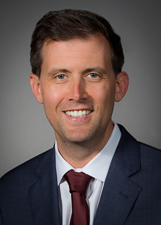
Dr. Thomas Link is an attending neurosurgeon at North Shore University Hospital and an assistant professor of neurosurgery at the Donald and Barbara Zucker School of Medicine at Hofstra/Northwell.
With a specialization in cerebrovascular neurosurgery, Dr. Link has expertise in both open surgical and endovascular/interventional neurosurgical procedures, giving him the unique ability to choose the most appropriate, unbiased approach for each individual patient.
Driven by the limitless discoveries waiting to be made in the field of neuroscience, Dr. Link is a technical innovator, who continues to be fascinated by the brain and spinal cord, and greatly values his bond with his patients.
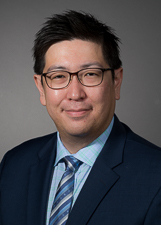
Sheng-fu Larry Lo, MD, MHS, FAANS, is a nationally recognized neurosurgeon specializing in complex spinal disorders. He is the Director of Spine Tumor Surgery and Co-Director of Spinal Deformity Surgery at Northwell Health Neurosurgery in Great Neck, NY. He is known for his expertise in spinal tumors, spinal deformity, and craniocervical junction abnormalities.
Dr. Lo received his medical degree from Yale School of Medicine and completed his residency and spine surgery fellowship at Johns Hopkins Hospital. He was previously the Director of Spinal Oncology at Johns Hopkins. He is also an associate professor at the Donald and Barbara Zucker School of Medicine at Hofstra/Northwell.
Dr. Lo is a recipient of the Castle Connolly Top Doctor award and is known for his patient-centered approach, emphasizing conservative treatment options before surgery. He collaborates with specialists from various fields to tailor treatment plans to individual patient needs.
Laura Patruno, A nurse practitioner has a graduate degree in advanced practice nursing and works in a variety of specialties, including cardiology, pediatrics, oncology, and more.
Eytan Raz is an Assistant Professor at NYU Langone Medical Center in New York City, Director of Interventional Neuroradiology at Bellevue Hospital. After graduating from Sapienza University of Rome and obtaining a PhD degree, he completed the fellowship in Interventional Neuroradiology at NYU Langone Medical Center. He is the author of more than 250 publications in high impact factor, peer-reviewed journals such as JNIS, AJNR, Stroke, Radiology, JAMA. His fields of expertise include neurovascular anatomy, neurovascular diseases, brain aneurysms, dural fistulas and stroke. In 2020 he was appointed associate editor of S:VIN journal. He is part of the BANANA team with multiple contributions through the neuroangio.org website, BANANAz sessions and the BANANA course.
Dr. Adnan Siddiqui is a Professor and Vice Chairman in the Department of Neurosurgery at the State University of New York at Buffalo (UB), with expertise in cerebrovascular conditions, including microsurgery, radiosurgery, and endovascular techniques. He also serves as the Chief Medical Officer and Chief Executive Officer for the Jacobs Institute. Dr. Siddiqui is known for his work in clinical trials, translational research, and entrepreneurship related to neurosurgery.
Dr. Maksim Shapiro is a radiologist in New York, New York and is affiliated with multiple hospitals in the area, including NYU Langone Hospitals and NYC Health and Hospitals-South Brooklyn Health. He received his medical degree from Albert Einstein College of Medicine of Yeshiva University and has been in practice for more than 20 years.
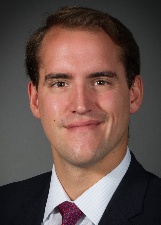
Dr. Timothy G. White, MD, is a distinguished and highly skilled neurosurgeon with a passion for advancing the field of neurovascular surgery. His expertise in interventional neuroradiology and complex neurovascular procedures enables him to provide life-changing care to patients facing challenging cerebrovascular conditions. As a dedicated member of Northwell Health, he employs state-of-the-art, minimally invasive endovascular techniques to deliver precision-driven, patient-centered treatment for aneurysms, stroke, and other neurovascular disorders.
* Planner
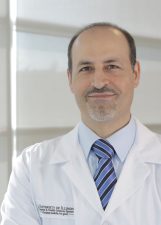
Ali Alaraj, MD is an attending Neurosurgeon at the University of Illinois Health and full Tenured Professor of Neurological Surgery at the College of Medicine at the University of Illinois. Dr Alaraj is dual trained in open Vascular and Endovascular Neurosurgery. He is an elected admission to Alpha Omega Alpha (AOA) honor medical society, and has received Alpha Omega Alpha (AOA) teaching award as a junior attending. His clinical practice includes treating patients with ischemic and hemorrhagic stroke (subarachnoid hemorrhage, intracranial bleeding, acute stroke). His medical expertise includes neurocritical care, treating patients with brain aneurysms, arteriovenous malformations, complex dural arteriovenous fistulas, carotid cavernous fistulas, carotid artery and intracranial vessels stenosis. He is currently the Medical Director of the Neurosurgery Intensive Care Unit, the Co-Chair of the Comprehensive Stroke Program at University of Illinois Health and the director of the Clinical Operations at the Department of Neurosurgery at University of Illinois at Chicago.
He has more than 200 published peer reviewed articles and textbook chapters. He serves on the editorial board of Neurosurgery, Interventional Neuroradiology and Neurological Research journals and is an ad-hoc reviewer for more than 40 peer review medical journals. His research interests include outcomes of management of brain aneurysms and arteriovenous malformations; quantitative cerebral flow measures; computational quantification of intracranial flows by angiography, in addition to virtual reality simulation in neurosurgical training.
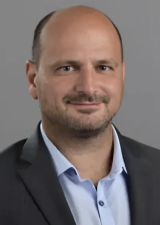
Bio coming soon.
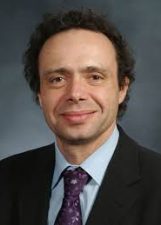
Y. Pierre Gobin, MD is an Interventional Neuroradiologist with over 30 years of experience. He is a co-inventor of the Merci retriever, Cooling catheter, and IA chemotherapy for retinoblastoma, and is the Co-founder of Concentric Medical and Lazarus Effect. Dr. Gobin also serves as CEO and Medical Director of Serenity Medical, the company developing the River stent.
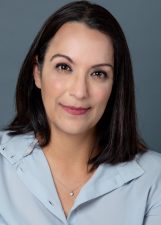
-Anat Horev, MD
● Director of Interventional Neuroradiology Unit, Soroka University Medical Center (SUMC), Beer-Sheva, Israel.
● Co-founder, CMO V-flow LTD.(established in 2021)
Established the Stroke and Interventional Neuroradiology Unit in SUMC (which serves a population of over one million) in 2014 and has been running it since.
Clinical practice main objective: medical and endovascular treatment of stroke and neurovascular diseases.
Actively involved in student, resident, and fellow education, as well as research.
Current studies focused on pathophysiology and endovascular treatment of Idiopathic Intracranial hypertension.
Education & Training
● MD, Semmelwise University, Budapest, Hungary.
● Neurology residency: SUMC
● Stroke fellowship: University of Pittsburgh Medical Center (UPMC)
● Interventional Neuroradiology fellowship: UPMC
Specialized Areas of Clinical, Research and/or Educational Interests
● Research: Stroke, cerebral veins, Carotid diseases, and genetics of cerebral vascular pathologies.
● Clinical: Pseudotumor cerebri, Pulsatile tinnitus, Stroke thrombectomy, Cerebral aneurysms, and AVMs.
● Education: Fellows, residents, and students’ education in stroke and cerebral vascular pathologies management.
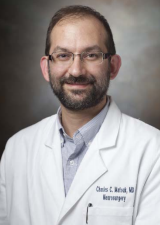
When he was a medical student, Charles Matouk, MD, met a patient with rapidly progressive dementia and weakness on the right side of his body. He recalls being “astonished” when the patient’s symptoms were fully reversed within a few weeks of having an endovascular procedure in his brain to disconnect an abnormal blood vessel (a vascular malformation) that had been causing the problem. The patient was cured. This experience was so memorable to Dr. Matouk that it inspired his decision to pursue a specialty in neurovascular surgery.
Now the chief of neurovascular surgery at Yale Medicine, Dr. Matouk has expertise in brain aneurysms, vascular malformations of the brain and spinal cord, carotid occlusive disease, acute stroke syndromes and adult-onset hydrocephalus. “In medicine today, a lot of the work that doctors do is either preventative or palliative,” Dr. Matouk remarks. “However, in neurosurgery we are able to use simple, minimally invasive procedures that can actually change everything for a patient. Their disease can be cured.”
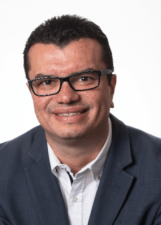
Dr. Vitor Mendes Pereira is a neurosurgeon specialized in endovascular procedures to treat neurovascular diseases of the brain and spine, including Stroke, Brain Aneurysms, Arteriovenous Malformations, Vascular Causes of Pulsatile Tinnitus, Intracranial Hypertension, Dural Fistulas, Carotid and Intracranial Stenosis (Atherosclerotic Diseases) and percutaneous pain procedures in adult and pediatric patients. Dr. Pereira is a pioneer in stent retrievers use in acute stroke and perhaps holds the most extensive experience with flow diverters interventions worldwide. He is interested in diagnosing and treating intracranial venous diseases, including idiopathic intracranial hypertension and pulsatile tinnitus. He is involved in many research and innovative translational projects, and, most recently, he performed the world’s first robotic neurovascular intervention. He plans to advance the possibility of remote endovascular treatments in the future. He is the lead scientist of the RADIS lab, which focuses on studying innovative technologies and their potential applications to vascular neurosurgery, including computational fluid dynamics, dynamic diagnostic imaging, genetics, and molecular biology. Artificial Intelligence and Robotics are two of the most profound technological advances of the last decade. This lab focuses on leveraging these technologies to improve the outcomes of patients with neurovascular diseases.
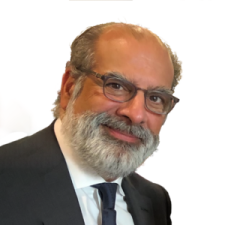
Ajay Wakhloo, MD, PhD, FAHA, FSNIS, is a highly respected figure in the field of neuroradiology, specializing in minimally invasive treatments for stroke and brain aneurysms.
Here’s a brief overview of his accomplishments:
Dr. Wakhloo is dedicated to teaching and mentoring future generations of medical professionals, serving as a key member of national and international professional societies, and a reviewer for over 15 medical journals. He is also a member of the Trinity Love Hoblit Foundation Board of Directors, a non-profit organization dedicated to raising awareness about brain aneurysms and supporting neurological research.